Simple recipes, less waste, and more love for your home — where to begin when it all feels overwhelming.
When I first heard about “zero waste,” I honestly thought it was something for people with a lot of time and a lot of money. Beautiful glass jars, expensive linen bags, handmade cleaning products… it felt like a lifestyle completely out of reach.
But the truth is, I started my own zero waste journey in the exact opposite way: without spending anything. And it all started in the kitchen.
If you’re thinking about reducing waste at home but don’t know where to begin — or you’re worried it’s too expensive — this post is for you.
First Things First: What Does a Zero Waste Kitchen Actually Mean?
It’s not about having a perfect kitchen, free of plastic, with everything in matching glass jars. That’s Instagram, not real life.
A zero waste kitchen is, at its core, a kitchen where you waste as little as possible — whether that’s food, packaging, or energy. And it starts with small daily decisions, not a complete overhaul.
Where to Begin (Without Spending a Single Euro)
1. Take Stock of What You Already Have
Before buying anything, open your cupboards and fridge. How often do you find forgotten ingredients that are on the verge of going bad? Wasted food is money thrown away — and it’s one of the biggest environmental issues in the modern kitchen.
What to do: Once a week, before you go grocery shopping, check what you have and plan your meals around it. This one simple habit can reduce your food waste by 30 to 40%.
2. Use What You Already Own as a Substitute
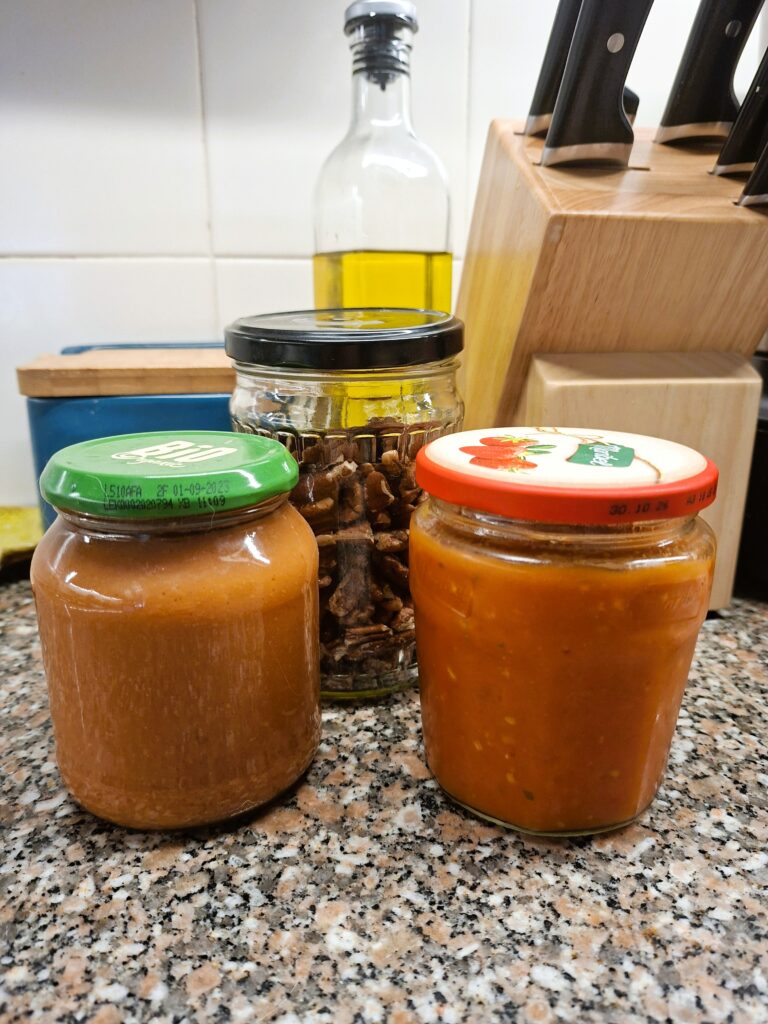
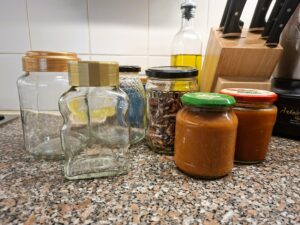
You don’t need to buy new linen bags. Use the fabric bags you already have, old tupperware containers, glass jars from preserves that would have gone in the bin. The best zero waste container is the one that already exists in your home.
What to do: Wash and keep glass jars from chickpeas, olives, or jam. They’re perfect for storing pulses, grains, or leftovers.
3. Start with the Waste You Produce the Most
Watch your bin for a week. What fills it up the fastest? Plastic packaging from vegetables? Bread bags? Water bottles?
Choose just one item to swap first. Just one. Trying to change everything at once is a recipe for giving up.
What to do: If you buy a lot of bottled water, invest in a reusable bottle (there are options from €5). If you buy packaged bread, try making bread at home — it’s simpler than it sounds and much cheaper.
4. Learn to Use Leftovers Creatively
One of the biggest sources of kitchen waste is the leftovers that sit in the fridge and end up in the bin. Learning to transform them into new meals is one of the most valuable skills you can develop.
Vegetable peelings can make a delicious homemade stock. Stale bread turns into croutons or breadcrumbs. Overripe fruit is incredible in smoothies or quick jams.
What to do: Save clean peelings from carrots, onion, leek, and celery in a bag in the freezer. When you have enough, simmer everything in water for 40 minutes and you have a homemade vegetable stock — free, flavourful, and zero waste.
5. Replace Cleaning Products Gradually
You don’t need to throw out everything you have. When a product runs out, think about a simpler, more eco-friendly alternative.
White vinegar is an excellent degreaser. Bicarbonate of soda cleans and deodorises. Mix the two together and you have a powerful cleaner for tough surfaces — at a fraction of the cost of conventional cleaning products.
What to do: When your washing-up liquid runs out, try a solid natural soap bar. It lasts much longer, has no plastic packaging, and works just as well.
The Most Important Mindset Shift: Progress Over Perfection
Zero waste isn’t a destination — it’s a direction. Nobody can eliminate 100% of their waste, and trying to do it overnight only leads to frustration.
What really matters is making slightly better choices than yesterday. If this week you skip buying one plastic water bottle, you’ve already made a difference. If you use last night’s dinner leftovers for today’s lunch, that’s already a win.
The zero waste kitchen starts with what you already have. Not with what you’re going to buy.
Where Will You Start?
Let me know in the comments which step you’re going to try first. And if you already have a zero waste habit in your kitchen, share it — I love getting inspired by your ideas! 🌿